Parenting Tips
Understanding Play-Based Learning in Early Childhood Education

Play-Based Learning Daycare in Edmonton: A Parent’s Guide
Children learn through everyday experiences, from building with blocks to painting, storytelling, and exploring outdoors. At Angel Keepers Daycare, parents can explore early learning options and learn more about how a play based learning daycare in Edmonton can support children’s curiosity, creativity, communication, and development.
For parents exploring daycare options, understanding play-based learning can help them choose an environment that supports their child’s growth and development. A quality play-based learning daycare in Edmonton provides opportunities for children to explore, ask questions, solve problems, and learn through everyday experiences.
But what does play-based learning actually look like, and how does it help children prepare for the next stages of life?
What Is Play-Based Learning?
Play-based learning is an approach that allows children to learn through hands-on experiences, exploration, creativity, and interaction with others. Instead of relying only on direct instruction, educators create opportunities for children to discover concepts through meaningful activities.
For example, when children build with blocks, they explore shapes, balance, and spatial awareness. During pretend play, they practise communication, imagination, and cooperation. Even simple activities such as sorting objects or listening to a story can encourage curiosity and learning.
Play-based learning does not mean children are left to play without guidance. Educators observe children’s interests, prepare suitable activities, and introduce questions or materials that encourage further exploration.
This approach can be an important part of early childhood education programs in Edmonton, helping children learn in ways that suit their developmental stage and individual interests.
How Does Play-Based Learning Support Children’s Development?
Play can support several areas of early childhood development. The skills children practise will depend on the activity, their interests, and the guidance they receive.
Language and Communication
Conversations during play help children learn new words, express their thoughts, and practise listening. When children describe what they are building, tell stories, or play pretend with friends, they have opportunities to communicate in different situations.
Problem-Solving and Thinking Skills
Activities such as building towers, completing puzzles, and sorting objects encourage children to experiment and find solutions. They may try different approaches, notice what works, and adjust their ideas. These experiences help develop curiosity and independent thinking.
Social and Emotional Development
Playing with other children gives them opportunities to share ideas, take turns, cooperate, and work through disagreements. With support from educators, children can also learn to recognize emotions, express their feelings, and develop positive relationships.
Creativity and Imagination
Pretend play, art, music, and storytelling allow children to express themselves and explore new ideas. A simple collection of toys can become a pretend store, while everyday materials can inspire creative projects.
Physical Coordination
Drawing, painting, building, and handling small objects can help children practise fine motor skills. Outdoor play and movement activities offer opportunities to develop balance, coordination, and awareness of their surroundings.
What Does Play-Based Learning Look Like in a Daycare?
Play-based learning can be part of everyday routines and activities. Building with blocks helps children develop problem-solving skills and spatial awareness. Pretend play encourages language, imagination, and cooperation, while sorting natural objects builds observation and pattern recognition. Storytelling supports listening and vocabulary, drawing and painting encourage creativity and fine motor skills, and outdoor exploration promotes movement, curiosity, and discovery.
The value of these activities comes not only from the materials children use but also from how educators prepare the environment, respond to children’s interests, and encourage them to explore.
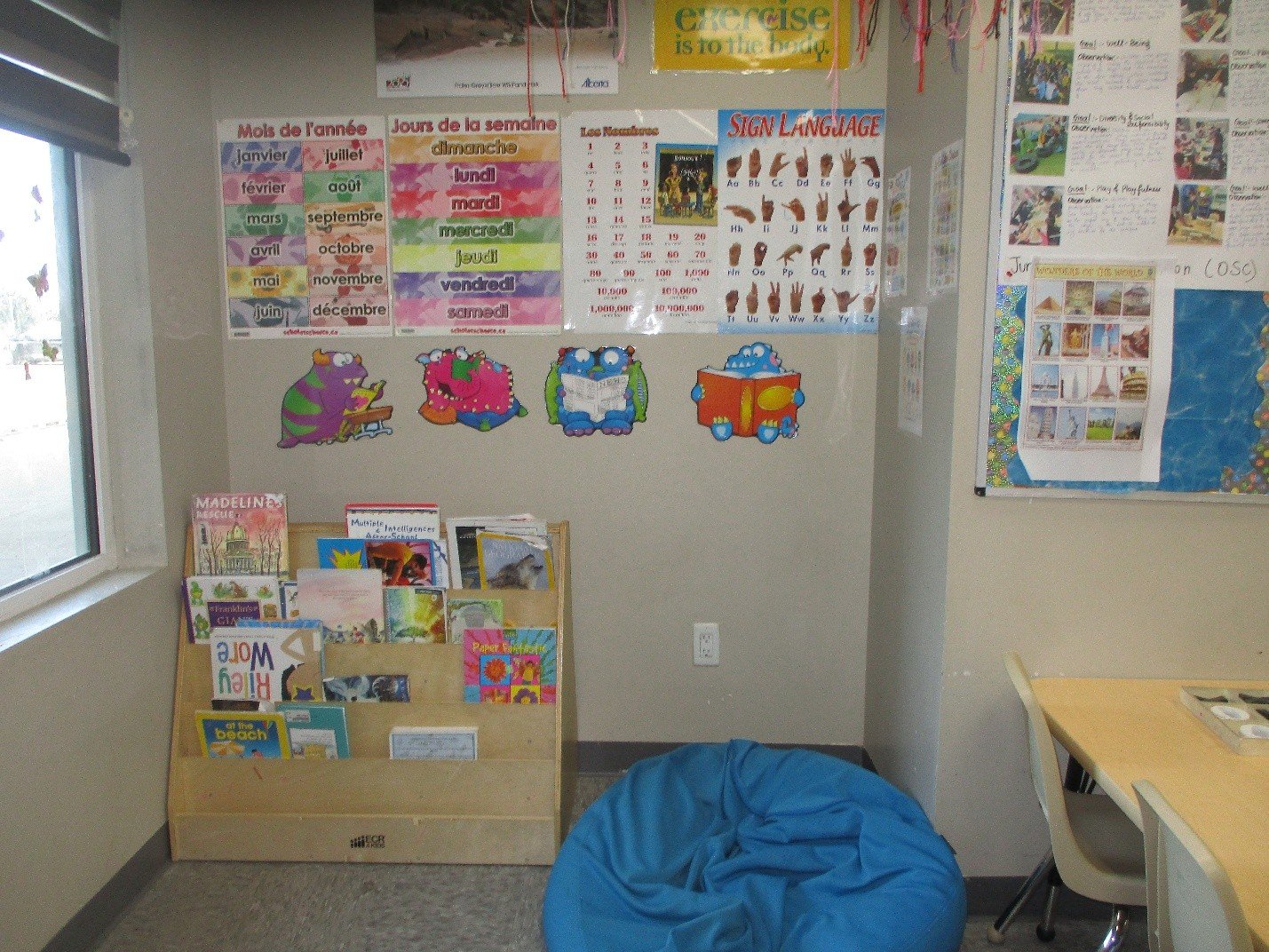
A well-planned learning environment offers a variety of age-appropriate experiences while allowing children time to investigate, make choices, and learn at their own pace.
What Role Do Educators Play in Play-Based Learning?
Educators help make play meaningful by creating safe, engaging environments where children can explore and develop new skills.
They observe how children interact with materials and one another, then use those observations to plan activities that build on existing interests. An educator might ask an open-ended question, introduce a new material, or encourage a child to try a different approach to a problem.
Educators also help children navigate social situations, express their feelings, and participate in group activities. Their guidance supports learning while allowing children to remain active participants in their own experiences.
Families can ask daycare providers how educators plan activities, observe development, and adapt experiences to meet children’s individual needs.
What Should Edmonton Parents Look for in a Play-Based Daycare?
When exploring early learning and daycare programs in Edmonton, parents may want to look beyond the toys and activities available. The overall environment and educators’ approach are also important.
Consider these questions when visiting a daycare:
- Are activities age-appropriate? Experiences should suit children’s developmental stages and abilities.
- Do children have opportunities to explore? Look for a balance of guided activities, child-led play, creative experiences, and movement.
- How do educators interact with children? Warm, responsive communication can help children feel supported and confident.
- Is the environment safe and welcoming? Materials and play areas should be suitable for the children using them.
- How is learning encouraged? Ask how educators support communication, curiosity, problem-solving, and social development through everyday activities.
- How do educators communicate with families? Regular conversations can help parents understand their child’s experiences and progress.
Every child develops at their own pace. A supportive daycare recognizes individual interests and needs while providing opportunities to practise new skills and build relationships.
Play-Based Learning at Angel Keepers Daycare in Edmonton
Choosing the right childcare environment is an important decision for families. At Angel Keepers Daycare, parents can explore the available programs to learn more about the care and learning experiences offered to children.
When considering a program, families may wish to ask how everyday activities encourage exploration, creativity, communication, and social interaction. Understanding the approach used by educators can help parents decide whether a program aligns with their child’s needs and their family’s expectations.
To learn more about the available childcare options, visit the Angel Keepers Daycare programs page. Parents can also contact the centre to ask questions or arrange a facility tour.
Frequently Asked Questions About Play-Based Learning
Is play-based learning the same as unstructured play?
Not exactly. Children may lead their own play, but educators also prepare learning environments, observe children’s interests, and provide guidance to encourage exploration and development.
At what age can children benefit from play-based learning?
Play-based learning can support children across early childhood, from infancy through the preschool years. Activities should be adapted to each child’s age, abilities, interests, and developmental needs.
Does play-based learning help prepare children for kindergarten?
Play-based experiences can help children practise skills useful in a classroom, including communication, cooperation, problem-solving, curiosity, and independence. These skills develop over time through varied experiences and supportive relationships.
How can parents support play-based learning at home?
Parents can offer simple opportunities for play, such as reading together, drawing, building with blocks, exploring nature, or involving children in age-appropriate everyday activities. Talking with children about what they notice and discover can also encourage learning.
How can parents identify a suitable play-based daycare in Edmonton?
Parents can visit the centre, observe the learning environment, ask about daily activities, and learn how educators support children’s development. It is also helpful to discuss communication practices, safety, and how activities are adapted to different ages and needs.
Final Thoughts
Play is an important part of how young children explore the world, develop relationships, and build new skills. With thoughtful guidance from educators, everyday experiences can offer opportunities for communication, creativity, problem-solving, and discovery.
For families comparing childcare options, understanding the role of play-based learning can make it easier to ask informed questions and find a program that suits their child.
Explore the programs at Angel Keepers Daycare to learn more about the available options for your family.

Childcare Staff
Compassionate room educators supporting positive daily transitions and child well-being.
0 Comments
No comments yet. Be the first to share your thoughts!
Leave a Comment
Categories
Recent Articles


Tag Cloud
Tour Our Daycare
Meet our educators, visit classrooms, and see our certified nut-free kitchen in person.
Schedule Tour